join the newsletter to Turn your paycheck into passive income

Options Portfolio Builder
Build your options portfolio with the best services and platforms we recommend.
Building an Options Portfolio
Options selling is one of the most powerful—and most misunderstood—passive income strategies. Done wrong, options can wipe you out. Done right, they generate steady premium income from stocks you already own or want to own. I've used options selling for years to boost my portfolio income, and it's become one of my core strategies.
On this page, I've curated the exact resources I use to sell options conservatively and systematically. Every service listed here has been vetted for two things: high quality and a low learning curve. Options have a steep reputation, but the strategies I recommend are accessible to anyone with basic stock experience.
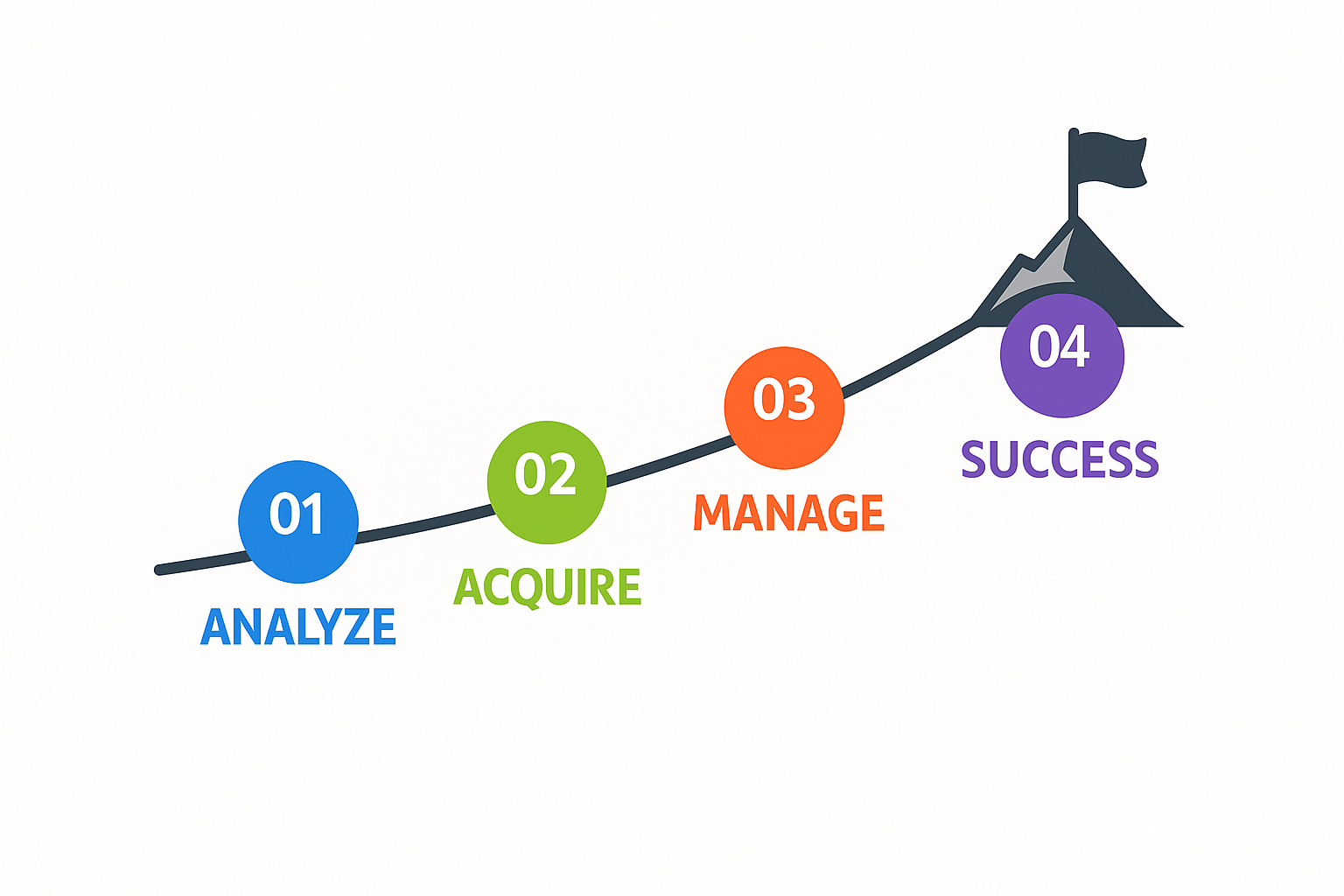
My goal is to help you add premium income to your portfolio without gambling. We're not buying lottery tickets hoping for 10x gains—we're selling insurance to other investors and collecting premiums. To get started, follow the three steps below:
Note: Some links on this page are affiliate links. I only recommend tools I personally trust to help you build long-term wealth. You can view our full terms and conditions.
Identify high-potential opportunities and validate your strategy.
Secure your assets or build them from scratch using the best-in-class platforms.
Oversee your progress and automate your passive income flow.

Step 1. Analysis & Evaluation
The Goal: To understand options mechanics and select conservative strategies that generate income without excessive risk.
Most options traders lose money because they use options to speculate—buying calls hoping for big moves, buying puts hoping for crashes. That's gambling. The income-generating approach is the opposite: we sell options to collect premiums, using strategies like covered calls and cash-secured puts.
This step is about education first. You need to understand what you're trading before you risk real money. The tools below help you learn options basics, analyze strategies, and understand the risks.
What to learn and evaluate:
Options fundamentals: Calls, puts, strike prices, expiration dates, and premium
Conservative strategies: Covered calls, cash-secured puts, and collar strategies
Risk assessment: What can go wrong, and how do you manage those scenarios?
Position sizing: How much of your portfolio should be in options strategies?
Step 2. Acquisition & Development
The Goal: To set up options trading capability and execute your first income-generating trades.
Options trading requires approval from your broker—usually a quick application process. Once approved, you can start selling covered calls on stocks you own or cash-secured puts on stocks you want to buy.
This step covers account setup, platform features for options trading, and executing your first trades. The right platform makes options trading intuitive; the wrong one makes it confusing and error-prone.
What to set up and execute:
Broker approval: Getting options trading enabled on your brokerage account
Platform features: Order types, options chains, and position management tools
First trades: Selling your first covered call or cash-secured put
Order types: Limit orders, good-til-canceled, and fill-or-kill for options
Step 3. Manage & Monitor
The Goal: To manage open positions, roll when necessary, and track your premium income over time.
Options positions require monitoring—not constant watching, but regular check-ins as expiration approaches. This step is about managing positions (rolling, closing early, or letting expire) and tracking your overall income.
The best options sellers have systems for tracking premium collected, positions open, and upcoming expirations. Over time, you'll develop rules for when to roll, when to close, and when to let assignments happen.
What to manage:
Position monitoring: Track open positions and upcoming expirations
Rolling strategies: When and how to roll positions to avoid unwanted assignment
Assignment management: What to do when options are exercised
Income tracking: Premium collected, costs, and net income over time
Continue learning with these in-depth articles:
Check out the other portfolio builders:
CheatCode Wealth™
Build your wealth. Keep your life.
© 2025. All rights reserved. Cheatcode Wealth LLC. This webpage may contain paid affiliate links.